
Buffalo Adore and SHOPCRAFT highlight Buffalo’s retail scene, while SHOP․COM offers diverse online shopping․ This document details heavy vehicle air brake systems, crucial for safety․
Overview of Air Brake Technology
Air brake technology represents a foundational safety system in heavy goods vehicles, diverging significantly from hydraulic systems common in passenger cars․ Unlike hydraulic brakes relying on fluid pressure, air brakes utilize compressed air to apply braking force․ This technology’s development addressed the limitations of hydraulic systems in handling the substantial weight and heat generated by larger vehicles․
The core principle involves an air compressor building pressure into air reservoirs․ When the driver activates the brake pedal, air is released from these reservoirs, directed through control valves, and into brake chambers․ These chambers convert air pressure into mechanical force, activating the brakes․
Notably, air brake systems offer inherent safety advantages․ A loss of air pressure automatically applies the spring brakes, preventing uncontrolled movement․ Furthermore, the system’s modular design facilitates easier maintenance and repair․ Shops like Buffalo Adore and SHOPCRAFT, though unrelated, exemplify the importance of reliable systems within a community․
Importance of Pneumatic Brakes in Heavy Goods Vehicles (HGVs)
Pneumatic brakes are absolutely critical for the safe operation of Heavy Goods Vehicles (HGVs) due to their weight and momentum․ Unlike passenger vehicles, HGVs require significantly greater stopping power and reliability, demands hydraulic systems struggle to consistently meet․ Air brakes provide this necessary force, ensuring controlled deceleration even under heavy loads and challenging conditions․
The system’s inherent fail-safe design is paramount․ Should air pressure be lost – due to a leak or compressor failure – the spring brakes automatically engage, preventing runaway situations․ This feature is a life-saving safeguard not readily available in hydraulic systems․
Furthermore, air brakes facilitate consistent braking performance across all axles, crucial for maintaining stability․ While shops like SHOP․COM offer diverse products, reliable braking systems are far more vital for public safety․ The integration of ABS and EBS further enhances control and responsiveness, solidifying pneumatic brakes’ position as the industry standard․
Scope of the PDF Document – What to Expect
This PDF document provides a comprehensive overview of heavy vehicle pneumatic braking systems, intended for technicians, mechanics, and those involved in HGV maintenance and operation․ It details the core components – from the air compressor and reservoir to the brake chamber and control valve – explaining their functions and interrelationships․
Expect detailed explanations of system operation, including air pressure build-up, brake application and release, and emergency procedures․ Crucially, the document emphasizes key safety features like low air pressure warnings, spring brake functionality, and the integration of ABS and EBS systems․
Beyond theory, practical guidance on maintenance and troubleshooting is included, covering inspection points, leak detection, chamber adjustment, and common fault resolution․ Similar to finding curated items at Buffalo Adore or SHOPCRAFT, this PDF curates essential braking knowledge․ Diagrams and regulatory compliance information are also present․

Core Components of the System
Like the diverse offerings at SHOP․COM, a pneumatic system features vital parts: the compressor, reservoir, brake chamber, and control valve, working in harmony․
Air Compressor: Function and Types

The air compressor is the heart of the pneumatic braking system, responsible for generating the compressed air that powers the entire braking process․ Its primary function is to draw in atmospheric air, filter it, and then compress it into a high-pressure form, storing it for later use․ Without a functioning compressor, the brakes simply cannot operate effectively, posing a significant safety risk․
Several types of air compressors are commonly employed in heavy goods vehicles (HGVs)․ These include reciprocating compressors, which utilize pistons to compress the air, and rotary screw compressors, known for their efficiency and quieter operation․ Reciprocating compressors are generally more cost-effective initially, while rotary screw compressors often offer a longer lifespan and reduced maintenance requirements․
Modern systems often incorporate sophisticated control mechanisms to regulate compressor operation, preventing over-pressurization and ensuring optimal performance․ The compressor’s output directly impacts the responsiveness and reliability of the entire braking system, making regular inspection and maintenance crucial, much like the curated selections found at Buffalo Adore or SHOPCRAFT require care․
Air Reservoir: Storage and Capacity
Air reservoirs, often multiple tanks strategically positioned on the vehicle, serve as crucial storage for the compressed air generated by the compressor․ These reservoirs ensure a readily available supply of pressurized air, even when the compressor is not actively running, guaranteeing consistent braking performance․ Their capacity is carefully calculated based on vehicle weight, braking demands, and regulatory requirements․
The size and number of reservoirs directly influence the system’s ability to handle repeated brake applications and maintain sufficient pressure during prolonged operation․ Larger reservoirs provide a greater safety margin, particularly in demanding conditions like steep descents or emergency situations․ Regular inspection for corrosion, leaks, and proper mounting is vital, mirroring the careful curation of items at shops like Buffalo Adore․
Maintaining adequate reservoir capacity is paramount for reliable braking․ Depleted reservoirs compromise the system’s ability to respond quickly and effectively, potentially leading to brake failure․ Like the diverse offerings on SHOP․COM, a robust reservoir system is essential for overall functionality․
Brake Chamber: Converting Air Pressure to Mechanical Force
Brake chambers are the critical link transforming pneumatic energy into the mechanical force needed to apply the vehicle’s brakes․ Compressed air entering the chamber pushes against a diaphragm, which in turn actuates a pushrod․ This pushrod then transmits force to the brake shoes or pads, creating friction against the brake drums or rotors, ultimately slowing or stopping the vehicle․
The efficiency of this conversion is paramount for responsive braking․ Chamber size and design influence the mechanical advantage, impacting braking power and pedal feel․ Regular adjustment is essential to compensate for wear and maintain optimal performance, much like carefully selecting items at SHOPCRAFT․
Proper functioning of the brake chamber is vital for safety․ Leaks or diaphragm failures can significantly reduce braking effectiveness․ Consistent inspection, mirroring the detailed product descriptions on SHOP․COM, ensures reliable operation and prevents potentially hazardous situations․
Control Valve: Managing Air Flow to Brakes
Control valves are the central nervous system of pneumatic braking, meticulously regulating air distribution to the brake chambers․ These valves respond directly to driver input from the brake pedal, precisely metering the air pressure delivered to each brake on the vehicle․ Different valve types – service, trailer, and spring brake – handle distinct functions within the system․
The service valve applies and releases brakes during normal operation, while the trailer valve controls braking force on towed vehicles․ Spring brake valves, crucial for safety, automatically apply the brakes in emergency situations, similar to the curated selection at Buffalo Adore offering peace of mind․
Proper valve operation is essential for balanced and responsive braking․ Malfunctions can lead to uneven braking, reduced stopping power, or even complete brake failure․ Regular inspection and maintenance, akin to the detailed listings on SHOP․COM, are vital for ensuring reliable performance․
System Operation – How it Works
SHOPCRAFT’s artistry mirrors the precision of air brakes․ The compressor builds pressure, the foot valve applies it, and the exhaust releases it—ensuring controlled stops․
Building Air Pressure: Compressor and Governor
The air compressor is the heart of the pneumatic system, relentlessly working to convert mechanical energy from the engine into usable compressed air․ This compressed air is then stored, ready to be deployed when the driver demands braking force․ Different types of compressors exist, each with its own advantages regarding efficiency and durability․
Crucially, the governor works in tandem with the compressor․ Its primary function is to regulate air pressure within the system, preventing over-pressurization which could lead to component failure and potential safety hazards․ The governor achieves this by unloading the compressor once the pre-set maximum pressure is reached․
Think of Buffalo Adore carefully curating its selection – similarly, the governor carefully manages air pressure․ When pressure drops due to brake application or leaks, the governor allows the compressor to re-engage, maintaining a consistent and reliable air supply․ This cyclical process ensures the system is always prepared for immediate braking response, mirroring the dependable offerings of SHOP․COM․
Applying the Brakes: Foot Valve and Control Signals
The foot valve serves as the driver’s primary interface with the pneumatic braking system․ When the driver depresses the brake pedal, this valve opens, allowing compressed air to flow from the reservoirs towards the brake chambers at each wheel․ The amount of pedal depression directly correlates to the volume of air released, and therefore, the braking force applied․
This airflow isn’t simply a direct connection; it’s a carefully controlled signal․ The foot valve modulates the air pressure, sending control signals throughout the system․ These signals instruct the brake chambers to expand, pushing the brake shoes or pads against the drums or rotors, creating friction and slowing the vehicle․
Much like SHOPCRAFT showcasing diverse Buffalo artists, the foot valve orchestrates a complex interplay of components․ The responsiveness and precision of this system are vital, akin to the curated selection at Buffalo Adore, ensuring safe and effective stopping power․
Releasing the Brakes: Exhaust System
The exhaust system is integral to releasing the pneumatic brakes, functioning as the reverse pathway for the compressed air․ When the driver releases the brake pedal, the foot valve closes, cutting off the air supply to the brake chambers․ Simultaneously, it opens a pathway for the air within the chambers to be exhausted to the atmosphere․
This controlled release of air pressure allows the spring within the brake chamber to retract the brake shoes or pads, disengaging them from the drums or rotors․ The speed of this exhaust directly impacts the responsiveness of brake release – a quick exhaust ensures swift disengagement․
Similar to SHOP․COM’s efficient checkout process, the exhaust system provides a clear and unobstructed pathway․ Just as Shopee offers a secure experience, a properly functioning exhaust system is crucial for reliable brake operation and vehicle control, preventing unintended dragging or delays․
Emergency Braking Procedures
Emergency braking in heavy vehicles utilizing pneumatic systems demands immediate and decisive action․ Typically, this involves fully depressing the brake pedal, activating the control valve to deliver maximum air pressure to the brake chambers․ Modern systems, like those advertised by various manufacturers, often incorporate automatic emergency braking features, though driver intervention remains paramount․
Crucially, the spring brakes are automatically engaged if significant air pressure loss occurs – a vital safety net․ This mirrors the reliability expected from platforms like Shopee․ Drivers should be trained to recognize low air pressure warnings and understand the implications of spring brake activation․
Similar to the curated selections at Buffalo Adore, a well-maintained system ensures optimal performance․ Knowing the vehicle’s response and practicing emergency stops in a controlled environment, much like exploring SHOPCRAFT’s offerings, is essential for safe operation․

Key Safety Features
SHOP․COM’s secure platform parallels the safety focus of pneumatic brakes․ Low air warnings, spring brakes, ABS, and EBS collectively enhance heavy vehicle control and driver protection․
Low Air Pressure Warning System
The low air pressure warning system is a critical safety component within heavy vehicle pneumatic braking systems․ Its primary function is to alert the driver to a reduction in air pressure within the system, indicating a potential malfunction that could compromise braking performance․ This system typically employs a series of warning lights and, in some cases, audible alarms that activate at pre-determined pressure thresholds․
As air pressure decreases – perhaps due to a compressor failure, air leaks, or prolonged braking – the warning system progressively escalates its alerts․ Initial warnings might be a single amber light, progressing to a flashing red light and an audible buzzer as the pressure drops further․ This tiered approach provides the driver with escalating levels of awareness, allowing time to react and safely bring the vehicle to a stop․
SHOP․COM’s emphasis on secure transactions mirrors the reliability needed in this system․ The system’s effectiveness relies on regular inspection and maintenance to ensure sensors and warning devices are functioning correctly․ Failure to address low air pressure warnings promptly can lead to complete brake failure, highlighting the importance of driver awareness and proactive maintenance procedures․ Buffalo’s retail scene, like Buffalo Adore, prioritizes customer safety, similar to this brake system․
Spring Brakes: Automatic Activation in Emergency
Spring brakes represent a crucial fail-safe mechanism in heavy vehicle pneumatic braking systems, designed to automatically engage in emergency situations․ Unlike service brakes relying on air pressure, spring brakes utilize powerful springs to apply the brakes when air pressure falls below a critical level․ This ensures the vehicle can be safely stopped even in the event of a complete air system failure, such as a ruptured air line or compressor malfunction․
Typically, air pressure is actively holding the springs compressed, releasing the brakes․ When air pressure drops, the springs expand, forcing the brake shoes against the drums or rotors․ This provides a reliable, albeit forceful, braking action․ The system is often integrated with the low air pressure warning system, providing a final layer of protection․
SHOPCRAFT’s dedication to local artists reflects a commitment to reliability, much like spring brakes․ While offering a firm stop, spring brakes aren’t intended for regular use due to their abruptness․ SHOP․COM’s secure checkout process parallels the system’s dependable activation․ Regular inspection of spring brake components is vital to ensure proper functionality and prevent unintended engagement, mirroring the care given to items at Buffalo Adore․
Anti-lock Braking System (ABS) Integration
Integrating Anti-lock Braking Systems (ABS) with pneumatic braking in heavy goods vehicles significantly enhances safety and control, particularly during emergency stops and on slippery surfaces․ ABS prevents wheel lock-up, allowing the driver to maintain steering capability while braking, a critical advantage over conventional systems․ This integration involves sophisticated electronic control units (ECUs) that modulate air pressure to individual wheel brakes․
The ECU receives signals from wheel speed sensors, detecting impending lock-up․ It then rapidly cycles the brake pressure, releasing and reapplying it multiple times per second․ This prevents the wheels from skidding, maximizing braking efficiency and directional stability․ Like the curated selections at Buffalo Adore, ABS offers a refined and controlled experience․
SHOPCRAFT’s focus on quality artistry mirrors ABS’s precision․ SHOP․COM’s secure transactions reflect the system’s reliability․ While the core pneumatic system provides the braking force, ABS manages it intelligently․ Regular diagnostics and testing of the ABS components are essential, ensuring optimal performance and complementing the inherent safety of the pneumatic foundation․
Electronic Braking System (EBS) Overview
Electronic Braking Systems (EBS) represent a significant advancement over traditional pneumatic systems, integrating electronic controls with air braking technology to deliver enhanced performance and safety features․ EBS utilizes sensors and electronic control units (ECUs) to manage braking functions, offering precise control and faster response times compared to purely mechanical systems․

Unlike the focused selections of Buffalo Adore, EBS encompasses a broad range of functionalities․ Similar to the diverse offerings on SHOP․COM, EBS integrates multiple systems․ It often includes ABS, traction control, and stability control, all managed through a central electronic platform․ This allows for optimized braking force distribution, reducing stopping distances and improving vehicle stability․
SHOPCRAFT’s dedication to local artistry parallels EBS’s tailored control․ EBS also facilitates advanced features like automatic emergency braking (AEB) and electronic parking brakes․ Diagnostic capabilities are greatly improved, simplifying maintenance and troubleshooting․ The system’s complexity necessitates specialized training for technicians, ensuring proper operation and maximizing its safety benefits․

Maintenance and Troubleshooting
SHOP․COM’s reliable service mirrors the need for consistent brake maintenance․ Regular inspections, leak detection, and chamber adjustments, like SHOPCRAFT’s artistry, ensure optimal system function․
Regular Inspection Points
Consistent and thorough inspection is paramount for maintaining the reliability of heavy vehicle pneumatic braking systems․ Begin with a visual assessment of all air lines and hoses, checking for cracks, abrasions, or any signs of wear․ Pay close attention to connections, ensuring they are secure and free from leaks – similar diligence to SHOPCRAFT’s attention to detail with local artists’ work․
Next, examine the air reservoirs for corrosion or damage, verifying the safety valve operates correctly․ The air compressor should be inspected for proper operation, listening for unusual noises and confirming adequate air pressure build-up․ Don’t overlook the brake chambers; inspect diaphragms for deterioration and check for smooth operation of the pushrods․
Like the curated selection at Buffalo Adore, each component must meet standards․ Finally, meticulously test the low air pressure warning system and spring brakes to ensure they activate at the prescribed pressure․ Regular adherence to these inspection points, mirroring the dependable service of SHOP․COM, will significantly enhance safety and prevent costly repairs․
Air Leak Detection and Repair
Identifying and rectifying air leaks is critical in pneumatic braking systems, as even small leaks compromise braking performance․ A common method involves applying a soapy water solution to all fittings, connections, and hoses – bubbles will indicate leak locations, demanding attention like the curated finds at Buffalo Adore․
Once identified, tighten loose fittings or replace damaged components․ Worn or cracked air lines must be replaced entirely, ensuring the replacement meets the manufacturer’s specifications․ Inspect brake chambers and control valves for internal leaks, potentially requiring rebuild or replacement․
Remember, a systematic approach, akin to the organized offerings of SHOP․COM, is essential․ After repairs, thoroughly test the system to confirm the leak is eliminated and braking performance is restored․ Ignoring air leaks can lead to reduced braking efficiency and potentially dangerous situations, emphasizing the importance of proactive maintenance, much like SHOPCRAFT’s commitment to quality․
Brake Chamber Adjustment
Proper brake chamber adjustment is vital for optimal braking performance, ensuring consistent and reliable stopping power․ This process involves setting the correct slack adjuster length, which dictates the travel distance of the brake shoes or pads against the brake drum or disc․ Like finding the perfect item at Buffalo Adore, precision is key․
Adjustment typically involves measuring the slack adjuster extension and comparing it to the manufacturer’s specifications․ Automatic slack adjusters maintain proper adjustment, but manual adjustments may be necessary․ Over-adjustment can cause constant brake drag, while under-adjustment reduces braking force․
Regular inspection and adjustment, similar to the curated selection at SHOPCRAFT, are crucial․ Always consult the vehicle’s service manual for specific procedures and torque values․ Incorrect adjustment can lead to uneven braking, premature wear, and reduced safety, mirroring the reliability offered by SHOP․COM’s diverse product range․
Common Faults and Their Solutions

Several common faults can plague heavy vehicle pneumatic braking systems․ Air leaks, often stemming from deteriorated hoses or fittings, reduce system pressure, impacting braking efficiency – a frustrating experience akin to a closed shop like Buffalo Adore․ Another frequent issue is a malfunctioning foot valve, hindering proper brake application․
Faulty air compressors struggle to maintain adequate pressure, while failing governors can lead to over-pressurization․ Brake chamber issues, like stuck diaphragms or leaking seals, diminish braking force․ Diagnosing these problems requires a systematic approach, utilizing pressure gauges and visual inspections․

Solutions range from replacing worn components – hoses, seals, valves – to adjusting slack adjusters․ Addressing air leaks promptly is crucial, mirroring the quick solutions offered on SHOP․COM․ Regular maintenance, like the curated selection at SHOPCRAFT, prevents many issues, ensuring safe and reliable operation․
Understanding the PDF Documentation
This PDF provides detailed schematics and safety precautions for pneumatic brake systems, similar to navigating SHOP․COM’s marketplace․ It ensures regulatory compliance and efficient troubleshooting․
Document Structure and Navigation
This PDF concerning heavy vehicle pneumatic braking systems is structured for clarity and ease of use, much like the organized layout of online platforms such as SHOP․COM or the curated selections at Buffalo Adore․ The document begins with foundational principles, progressing to detailed component descriptions and operational explanations․
Each section is clearly labeled with headings and subheadings, facilitating quick access to specific information․ Diagrams and schematics, vital for understanding complex systems, are strategically placed alongside relevant text․ A comprehensive table of contents allows for rapid navigation to desired topics․
Furthermore, a glossary of terms is included to define specialized vocabulary․ Cross-references link related sections, promoting a holistic understanding․ The document’s logical flow mirrors the user-friendly experience offered by SHOPCRAFT, ensuring even those unfamiliar with pneumatic brakes can readily grasp the concepts presented․ Consistent formatting and a clear visual hierarchy enhance readability and overall usability․

Diagrams and Schematics Explained
The PDF’s diagrams and schematics are essential for visualizing the intricate workings of heavy vehicle pneumatic braking systems, akin to understanding the curated displays within Buffalo Adore or the diverse product listings on SHOP․COM․ These visuals break down complex components – like the air compressor, reservoir, and brake chamber – into easily digestible representations․
Each diagram is meticulously labeled, identifying key parts and their interconnections․ Flow arrows illustrate the path of compressed air throughout the system, clarifying operational sequences․ Schematics depict the control valve’s function in managing air flow, crucial for brake application and release․
Color-coding and distinct line styles differentiate components and signal types․ Explanatory captions accompany each visual, providing context and reinforcing understanding․ Similar to the detailed product information on SHOPCRAFT’s website, these diagrams aim to provide a comprehensive and accessible learning experience, even for those new to the subject matter․
Safety Precautions Highlighted in the PDF
The PDF prominently features safety precautions, mirroring the careful curation of items in stores like Buffalo Adore and the secure shopping experience offered by SHOP․COM․ It emphasizes the critical importance of regular system checks, akin to ensuring a vehicle’s stopping power is reliable․
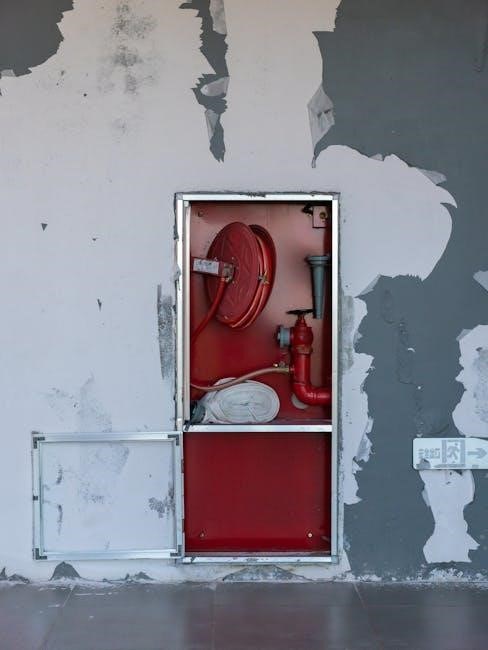
Warnings detail the dangers of working with compressed air, stressing the need for personal protective equipment․ Procedures for leak detection and repair are outlined, minimizing the risk of component failure․ The document underscores the vital role of the low air pressure warning system and spring brakes as fail-safe mechanisms․
Specific cautions address brake chamber adjustment, preventing improper operation․ Like the detailed descriptions on SHOPCRAFT’s artist profiles, the PDF provides clear instructions․ It also highlights regulatory compliance, ensuring adherence to safety standards․ Prioritizing safety is paramount when dealing with heavy vehicle braking systems․
Regulatory Compliance Information
The PDF meticulously details regulatory compliance, mirroring the structured organization of platforms like SHOP․COM and the curated collections at SHOPCRAFT․ It references key standards governing heavy vehicle pneumatic braking systems, ensuring adherence to legal requirements․
Information includes specifics on European (ECE) and North American (FMVSS) regulations, outlining performance criteria for components and overall system functionality․ The document clarifies testing procedures and certification requirements, vital for vehicle manufacturers and maintenance providers․
It also addresses documentation needs, detailing record-keeping practices for inspections and repairs․ Similar to the detailed product descriptions found in Buffalo Adore, the PDF provides precise specifications․ Compliance with these regulations is non-negotiable, guaranteeing vehicle safety and operational legality․ Updates to standards are also noted, ensuring the information remains current․