
Marijuana’s rising popularity, coupled with increased availability, necessitates informed consumption practices; a comprehensive PDF guide is crucial for safe edible creation.
Understanding the Rising Popularity of Edibles
Edibles are gaining traction due to their discreet nature and avoidance of smoking-related health concerns. Increased legalization across states fuels this trend, alongside decreasing public perception of harm, as noted by Monitoring the Future data. A detailed PDF guide addressing safe creation is vital, given that nearly half of U.S. teens have experimented with marijuana, and adult use is also climbing, demanding responsible consumption education.
Legal Considerations and Regulations (as of 01/26/2026)
Currently, cannabis legality varies significantly by state, impacting edible production and consumption. Most states permit medical use, while recreational access expands. A comprehensive PDF guide must include a disclaimer emphasizing adherence to local laws. Regulations concerning THC content, labeling, and sales are crucial; failing to comply carries legal risks, necessitating clear guidance within the resource.
Decarboxylation: Activating THC
Decarboxylation unlocks THC’s psychoactive potential; a PDF guide should detail this crucial step, explaining the science and various methods for optimal activation.
The Science Behind Decarboxylation
THC exists in cannabis as THCA, a non-psychoactive acid. Heat converts THCA into THC through decarboxylation, removing a carboxyl group. A PDF guide must explain this process, detailing how temperature and time impact conversion efficiency. Understanding this chemical change is vital for potency; inaccurate decarboxylation yields weak edibles. The guide should emphasize that proper decarboxylation is fundamental to experiencing the desired effects, ensuring a safe and enjoyable outcome for the user.
Methods for Decarboxylating Cannabis
A comprehensive PDF guide should detail oven decarboxylation – typically 240°F (115°C) for 30-40 minutes – and emphasize even heating. Alternative methods, like using a silicone mat or slow cooker, can also be included. The guide must stress monitoring color change, avoiding burning, and the importance of precise temperature control for optimal THC activation. Visual aids demonstrating proper decarboxylation are essential for beginner success.
Infusion Methods: Getting THC into Fat
A detailed PDF should cover oil and butter infusions, highlighting THC’s fat-solubility for effective transfer and maximizing potency in edibles.
Using Oils (Coconut, Olive, etc.) for Infusion
A comprehensive PDF guide must detail oil infusion techniques, explaining how THC binds to fats like coconut or olive oil. Instructions should cover decarboxylation first, then slow, gentle heating for optimal extraction. Specify ratios of cannabis to oil, emphasizing low temperatures to prevent degradation. Include notes on straining and storage for infused oils, noting potential variations in potency based on cannabis strain and oil type. Safety precautions regarding temperature control are vital for a successful and safe infusion process.
Butter Infusion: A Common Method
The PDF guide should thoroughly explain butter infusion, a frequently used method for creating edibles. Detail the process of combining decarboxylated cannabis with butter, emphasizing low and slow heating for several hours. Clarify straining techniques to remove plant matter, and proper cooling/solidification procedures. Include warnings about potential butter scorching and its impact on flavor and potency. Precise measurements and safety guidelines are essential for consistent, safe results.
Choosing the Right Cannabis Strain
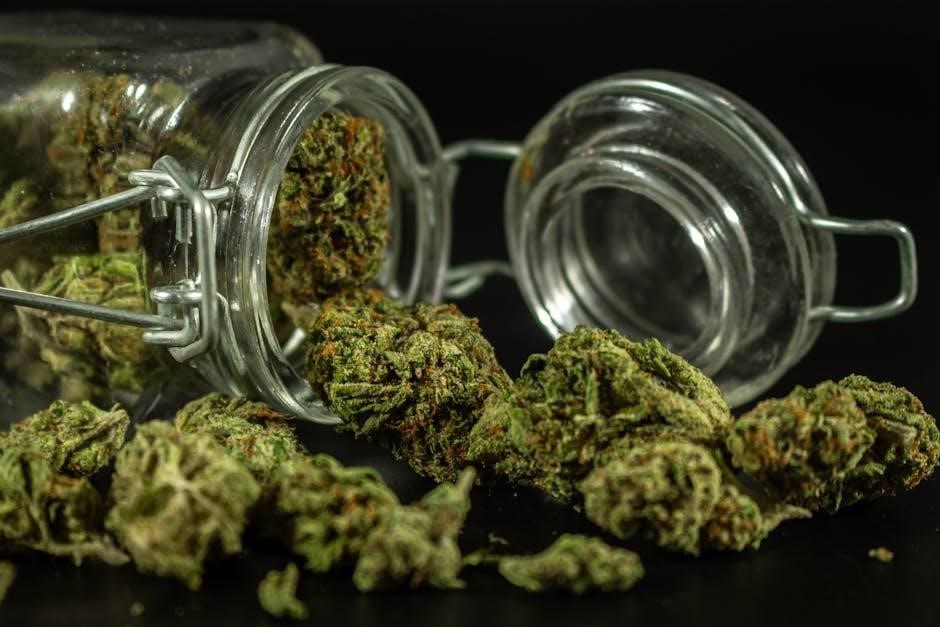
A detailed PDF must guide users in selecting strains based on desired THC/CBD ratios, impacting the edible’s effects and overall experience.
THC vs. CBD Content and Effects
The PDF guide should thoroughly explain THC’s intoxicating effects on mood, thoughts, and perceptions, referencing cannabis’s mind-altering capabilities. Conversely, it must detail CBD’s non-intoxicating properties and potential therapeutic benefits. Clear charts illustrating varying THC/CBD ratios and their corresponding effects are essential. Users need to understand how these compounds interact, influencing edible potency and the overall experience, especially considering the increased adult use and decreased perception of harm noted in recent Monitoring the Future data.
Strain Selection for Desired Edible Experience
A detailed section within the PDF must guide users through strain selection, linking specific cultivars to desired effects. Considering the evolving cannabis landscape – with increased adult use and medical/recreational availability – the guide should categorize strains by their THC/CBD profiles. It should emphasize that different strains yield varied experiences, impacting mood and perception, aligning with the Mind Matters series’ exploration of drug effects on the brain and body.
Edible Recipes: From Simple to Complex
The PDF should feature a range of recipes, starting with basic infusions like brownies, then progressing to more intricate options like cannabis-infused gummies.
Basic Brownie Recipe with Cannabis Infusion
A foundational recipe for the PDF guide should detail cannabis-infused brownies, emphasizing precise measurements for consistent potency; Include clear instructions on incorporating pre-made cannabis butter, noting its crucial role in even distribution. Highlight the importance of low and slow baking to preserve THC. The guide must stress starting with a low dose, as edibles have a delayed effect, and caution against overconsumption due to the potential for anxiety or paranoia, especially among teens whose brains are still developing.
Gummy Edibles: A Popular Choice
The PDF guide must feature a gummy edible recipe, detailing gelatin or vegan alternative usage, and precise cannabis oil incorporation. Emphasize accurate measurement for consistent dosing, crucial given varied THC levels. Highlight the appeal of gummies to youth, reinforcing the need for secure storage away from children and pets. Warn against combining gummies with alcohol, and reiterate responsible consumption practices to mitigate potential adverse effects.

Dosage and Potency Calculations
A PDF guide should include THC content calculations, safe starting doses, and warnings against overconsumption, vital due to edibles’ delayed effects.
Calculating THC Content in Your Edibles
Your PDF guide must detail precise THC calculations, starting with the strain’s initial THC percentage; then, account for losses during decarboxylation and infusion processes. Clearly illustrate how to determine total THC in the final edible batch, factoring in weight and serving size. Emphasize the importance of accurate measurements for consistent dosing, as potency varies significantly. Include example calculations and a disclaimer regarding individual tolerances and legal limits.
Safe Starting Doses and Avoiding Overconsumption
The PDF should strongly advise beginners to start with a low dose – 2.5mg to 5mg THC – due to edibles’ delayed and prolonged effects. Detail the potential for anxiety and paranoia, especially with higher doses. Emphasize waiting at least two hours to assess effects before consuming more, and never mixing edibles with alcohol or other substances.
Understanding Edible Onset and Duration
The PDF must explain edibles take longer to feel effects, and those effects are more intense and last significantly longer than smoking cannabis.
Why Edibles Take Longer to Kick In
A detailed PDF guide should clarify that edibles have a delayed onset because THC is absorbed through the digestive system and then metabolized by the liver. This process converts THC into 11-hydroxy-THC, a more potent compound. Unlike inhalation, where THC directly enters the bloodstream, this metabolic conversion significantly extends the time before effects are felt – often between 30 minutes to 2 hours. The PDF should emphasize patience and caution, warning against consuming more before the initial dose takes effect, to avoid overconsumption.
The Extended Effects of Edibles Compared to Smoking
A comprehensive PDF guide must highlight that edibles produce longer-lasting effects than smoking, due to the sustained release of 11-hydroxy-THC. While smoked cannabis typically provides effects lasting a few hours, edible effects can persist for 6-8 hours, or even longer. The PDF should stress the importance of planning accordingly, as the prolonged duration requires mindful consumption and a safe, comfortable setting.

Storage and Shelf Life of Edibles
A PDF guide should detail proper storage—cool, dark, airtight containers—to maintain potency and prevent spoilage, extending shelf life considerably.
Proper Storage to Maintain Potency
Your PDF guide must emphasize that proper storage is paramount for preserving the potency and quality of homemade cannabis edibles. Airtight containers, shielded from light and heat, are essential. Refrigeration or freezing can significantly extend shelf life, particularly for items containing fats. Clearly label all edibles with the date of creation and THC content. This prevents accidental consumption and ensures informed dosing, safeguarding both experienced and novice users from unwanted effects and potential health risks.
Determining Shelf Life and Avoiding Spoilage
The PDF should detail that edible shelf life varies based on ingredients; those with higher fat content degrade THC faster. Generally, refrigerated edibles last 1-2 weeks, while frozen ones can remain potent for months. Include visual cues of spoilage – changes in smell, texture, or appearance. Emphasize discarding any questionable edibles to avoid potential health hazards and maintain responsible consumption practices.
Potential Risks and Side Effects
The PDF must clearly outline potential anxiety, paranoia, and impacts on developing brains, referencing 2023 data, for informed, responsible edible consumption.
Anxiety and Paranoia Associated with Edibles
A comprehensive PDF guide must detail the heightened risk of anxiety and paranoia with edibles due to THC’s impact on mood and perceptions. Explain that altered mental states are possible, especially with higher doses. Emphasize the importance of starting with a low dose and consuming in a safe, comfortable environment. Include information on managing these effects, such as staying hydrated and practicing relaxation techniques, and seeking support if needed.
Impact of Edibles on Teen Brain Development (based on 2023 data)
The PDF guide must prominently feature 2023 data highlighting marijuana’s impact on developing teen brains. Approximately 45% of U.S. teens try marijuana, with nearly 22% reporting current use. Explain how THC can disrupt brain development, potentially leading to cognitive impairments. Stress the dangers and legal ramifications for underage consumption, reinforcing responsible choices.
Responsible Consumption and Safety Tips
The PDF guide should emphasize secure storage, preventing access by children and pets, and avoiding mixing edibles with alcohol or other substances.
Keeping Edibles Away from Children and Pets
A detailed PDF must strongly advise storing all edibles in childproof containers and locked locations, completely inaccessible to both children and pets. Misidentification of edibles as regular treats poses a significant risk, potentially leading to accidental ingestion and serious health consequences. Clear labeling is essential, but secure storage remains the primary safety measure; emphasize this repeatedly within the guide, alongside emergency contact information for poison control.
Avoiding Mixing Edibles with Alcohol or Other Substances
The PDF guide must explicitly warn against combining cannabis edibles with alcohol or other drugs, as this significantly amplifies impairment and increases the risk of adverse effects like anxiety and paranoia. Such combinations can lead to unpredictable reactions and potentially dangerous consequences; clearly state this within the guide, emphasizing responsible consumption and potential health risks.
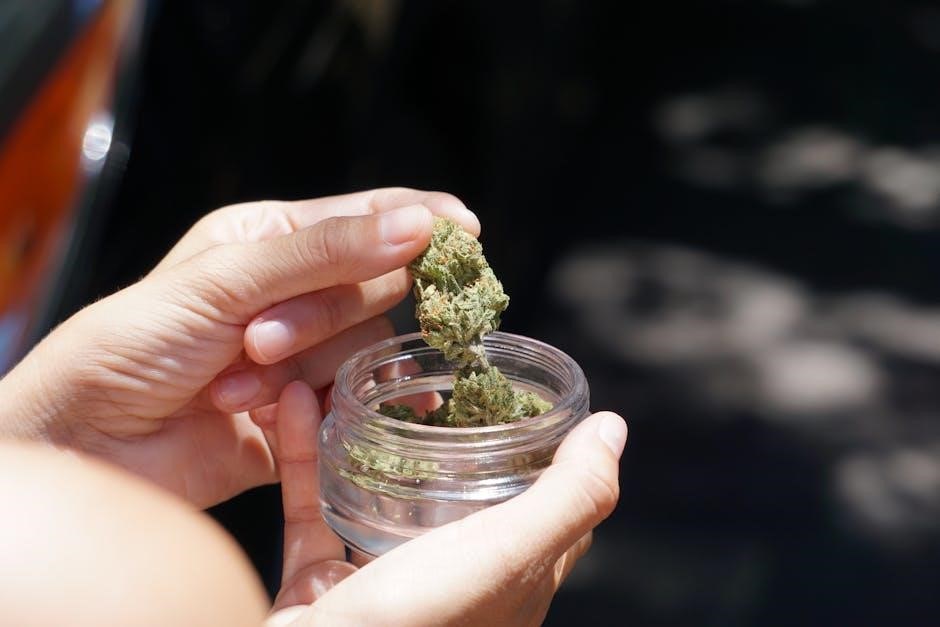
The Changing Landscape of Cannabis Use (2022-2025 Trends)
Increased adult use and decreasing perceptions of harm necessitate a PDF guide emphasizing responsible edible creation, dosage, and potential effects for all users.
Increased Adult Use and Perception of Harm (Monitoring the Future data)
Monitoring the Future data reveals a long-term upward trend in marijuana use among adults aged 35-50, reaching all-time highs in 2022. Simultaneously, public perception of harm has decreased with greater availability, including for edibles. A detailed PDF guide addressing safe edible creation, accurate dosing, and potential risks is therefore paramount, especially given this shifting landscape and the need for informed consumption practices among a growing adult user base.
Medical vs. Recreational Cannabis Availability
Cannabis is now medically available in most states, and recreationally legal in nearly half. This increased access impacts edible creation, necessitating a PDF guide clarifying legal boundaries and responsible sourcing. The guide should detail strain selection, appropriate for medical or recreational use, alongside precise infusion techniques and dosage calculations, ensuring compliance and safe consumption regardless of intended purpose.

The Effects of Cannabis on the Brain and Body
THC alters mood, thoughts, and perceptions; a PDF guide must emphasize mindful consumption, potential health impacts, and responsible edible creation practices.
THC and its Mind-Altering Effects
Tetrahydrocannabinol (THC), the primary psychoactive component in cannabis, profoundly impacts brain function, altering mood, thoughts, and perceptions of reality. A detailed PDF guide concerning edible creation must clearly articulate these effects, emphasizing the delayed onset and potentially intensified experience compared to inhalation. Understanding THC’s influence is paramount for responsible consumption, accurate dosage calculations, and mitigating risks like anxiety or paranoia, ensuring a safer experience for all users detailed within the guide.
Long-Term Health Impacts of Cannabis Use
A comprehensive PDF guide on edible creation must address potential long-term health consequences, particularly regarding adolescent brain development, as highlighted by 2023 data. While research continues, the guide should acknowledge the evolving understanding of cannabis’s impacts, noting increased adult use and decreased perception of harm. It’s vital to present balanced information, encouraging responsible use and awareness of potential risks for all ages.
Resources for Further Information
Mind Matters offers a cannabis educational series, while state-specific websites detail regulations; a PDF guide should link these for comprehensive, up-to-date information.
Mind Matters: Cannabis Educational Series
Mind Matters, a valuable resource, explores the impacts of drugs on the brain, body, and life, offering a dedicated section on cannabis. This series provides foundational knowledge crucial for understanding responsible consumption. A PDF guide on edibles should prominently feature links to Mind Matters, specifically the cannabis section, and the accompanying Teacher’s Guide. This ensures users have access to scientifically-backed information regarding potential effects, perceptions, and the overall impact of cannabis, promoting informed decision-making before and during edible creation and use.
State-Specific Cannabis Regulations Websites
A crucial component of any edible-making PDF guide is a comprehensive list of state-specific cannabis regulation websites. As availability increases and perceptions of harm decrease, laws vary significantly. Linking directly to official state resources ensures users understand local legality, possession limits, and specific rules regarding infused products. This promotes responsible creation and consumption, avoiding potential legal ramifications, and emphasizes adherence to current guidelines.

Creating a PDF Guide for Edible Making
A detailed PDF should encompass safety, dosage, legalities, and recipes, reflecting the evolving cannabis landscape and promoting responsible edible creation practices.
Essential Information to Include in Your PDF
Your PDF guide must prioritize safety, detailing risks like anxiety and potential impacts on teen brain development, referencing 2023 data. Include precise dosage calculations, emphasizing safe starting points to avoid overconsumption. Cover decarboxylation, infusion methods, and strain selection, linking THC/CBD content to effects.
Furthermore, incorporate legal considerations as of January 26, 2026, storage guidelines, shelf-life determination, and responsible consumption tips – keeping edibles from children and avoiding mixing with alcohol. Reference resources like Mind Matters and state-specific regulations.
Formatting and Design Considerations for Clarity
Prioritize a clean, easily navigable layout with clear headings and subheadings mirroring the article’s structure. Utilize bullet points and numbered lists for recipes and dosage calculations. Incorporate visuals – images illustrating decarboxylation or infusion processes – to enhance understanding.
Employ consistent font styles and sizes, ensuring readability. Highlight crucial safety warnings and legal disclaimers. A well-designed PDF, referencing resources like Mind Matters, promotes responsible edible creation and consumption.