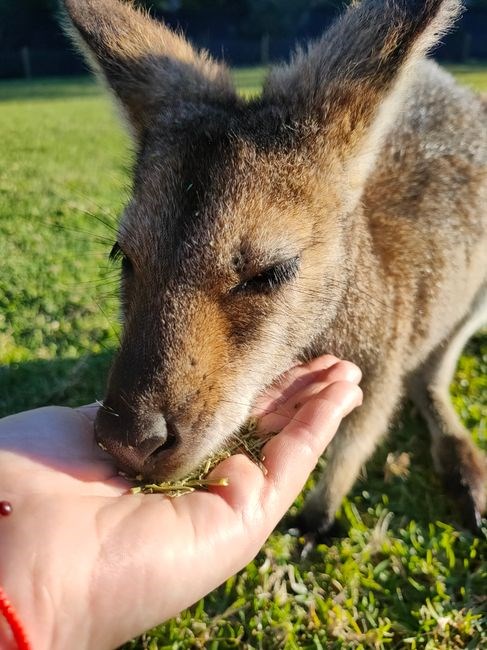
Australia’s mammalian fauna is a mosaic of ancient lineages and recent arrivals, boasting 300+ species, many of which are marsupials, monotremes, and endemic rodents. Their diversity reflects the continent’s varied habitats, from deserts to rainforests, and showcases unique evolutionary paths. End!??!
Overview of Diversity and Endemism
Australia is home to an extraordinary array of mammals, with roughly 300 extant species representing more than 90% of the continent’s native fauna. The majority of these are marsupials, a group that evolved in isolation during the Cretaceous and diversified into over 70 genera. Among them are the iconic kangaroos, wallabies, possums, and the elusive quolls. Monotremes, the egg‑laying mammals, are represented by the platypus and the short‑tailed echidna, each a living relic of a lineage that diverged from other mammals over 200 million years ago. Rodent diversity is comparatively low, with only a handful of native species such as the bush rat and the common dunnart, but introduced species like the house mouse and black rat have established widespread populations. The continent’s isolation has also fostered high levels of endemism; for instance, the Tasmanian devil is found only on Tasmania, while the bilby is restricted to arid inland regions. In addition, the Australian water rat (Hydromys chrysogaster) and the marsupial mole (Notoryctes typhlops) illustrate the adaptive radiation into aquatic and subterranean niches. The diversity of marsupial reproductive strategies ranging from the pouch‑bearing kangaroo to the placental‑like marsupial mole underscores the evolutionary plasticity of the group. The presence of herbivores and insectivores across varied ecosystems—from the tropical rainforests of Queensland to the temperate woodlands of Victoria—demonstrates the ecological breadth of Australian mammals.
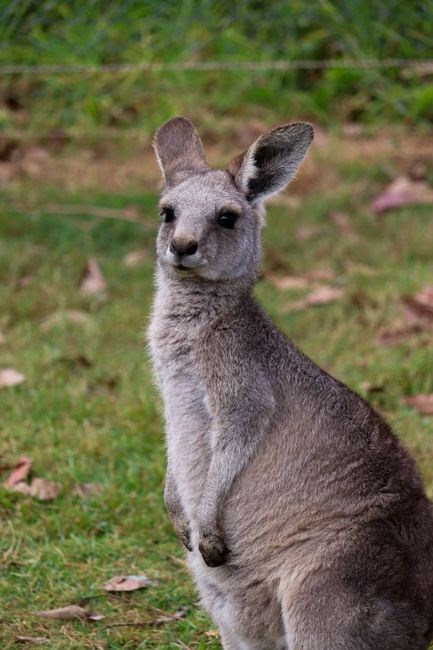
Taxonomy and Classification
Australia’s mammals are classified into three main groups: monotremes, marsupials, and placental mammals. Monotremes include the platypus and echidna. Marsupials dominate, with families such as Macropodidae (kangaroos), Phalangeridae (possums), and Dasyuridae (quolls). Placental species are few, mainly rodents and bats. These groups reflect Australia’s evolutionary paths and habitat diversity.!!
Orders, Families, and Key Species
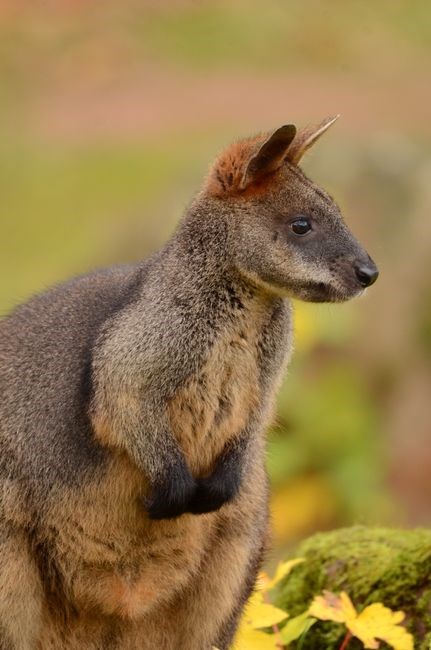
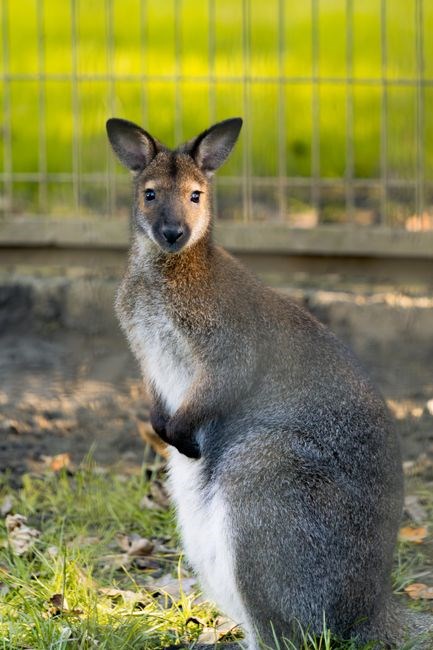
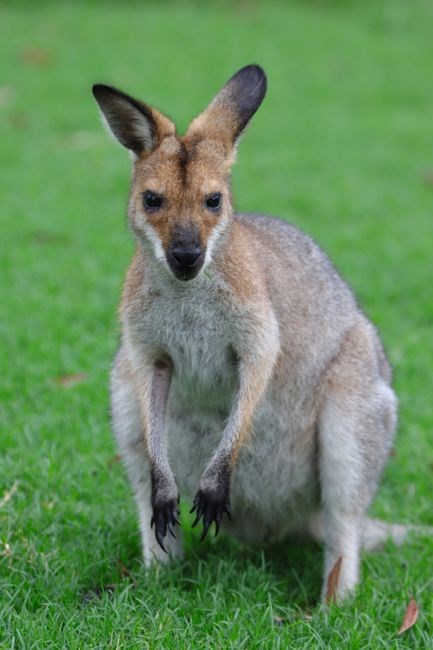
Australia’s mammalian fauna is structured into distinct orders that reflect deep evolutionary histories. The dominant order, Diprotodontia, contains the families Macropodidae (kangaroos, wallabies, wallaroos), Phalangeridae (possums, gliders, cuscuses), and Dasyuridae (quolls, dunnarts, Tasmanian devil). Macropodidae alone includes more than 40 species, from the gigantic red kangaroo to the diminutive agile wallaby, showcasing the continent’s remarkable marsupial radiation across deserts, grasslands, and forests.
Peramelemorphia, another marsupial order, comprises the families Thylacinidae (the extinct thylacine) and Peramelidae (bandicoots). Bandicoots are small, insectivorous marsupials that occupy a wide range of habitats, from arid scrub to lush rainforest, and play a vital role in controlling invertebrate populations.
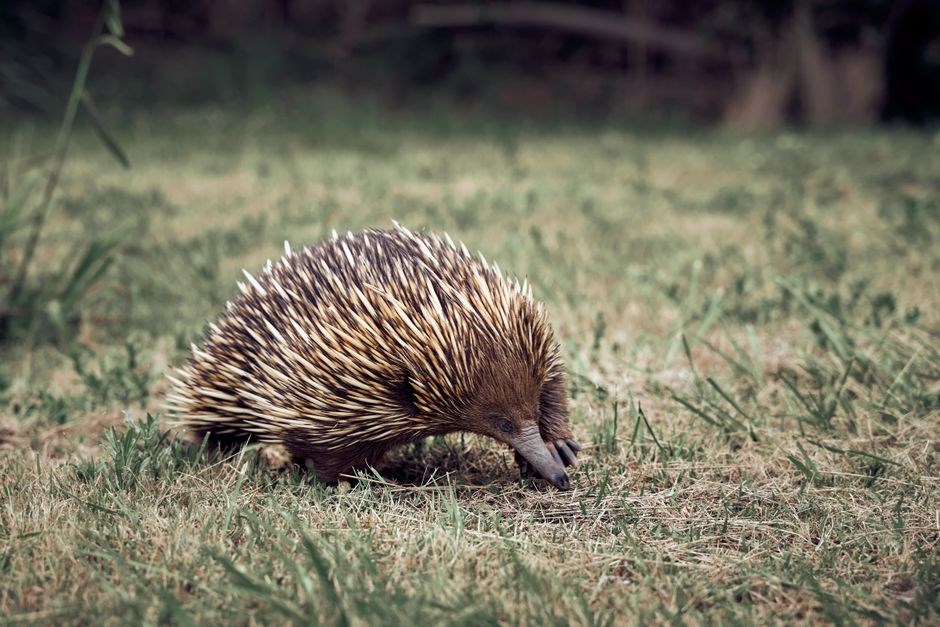
Monotremata, the egg‑laying order, is represented by the families Ornithorhynchidae (platypus) and Tachyglossidae (echidnas). These unique mammals possess specialized sensory organs for detecting prey in both aquatic and terrestrial environments, and their reproductive strategy sets them apart from all other mammals.
Placental mammals in Australia are largely confined to the orders Rodentia and Chiroptera. Rodentia includes the introduced house mouse (Mus musculus) and native species such as the bush rat (Rattus fuscipes). Chiroptera contains several families of bats, including Vespertilionidae (insectivorous bats) and Pteropodidae (fruit bats). Bats are essential pollinators, seed dispersers, and insect predators, contributing to the ecological balance of Australian ecosystems.
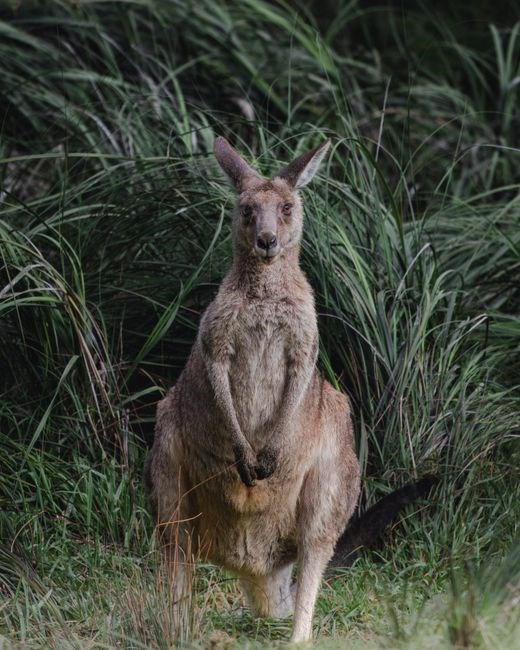
Marsupial Diversity
Marsupials dominate Australia, with over 300 species across 12 families. They thrive in deserts, forests, and wetlands, exhibiting rare reproductive strategies like pouch development and lactation. Iconic examples include kangaro, wallabies, possums, and the elusive quol, adapted to niche habitats!!.
Representative Families and Their Ecological Roles
Australia’s marsupial fauna is organized into several key families, each fulfilling distinct ecological niches that shape the continent’s ecosystems. The Macropodidae, comprising kangaroos, wallabies, and the iconic red kangaroo, are primary grazers that regulate vegetation structure and seed dispersal across grasslands and woodlands. Their large body mass and powerful hind limbs enable efficient locomotion over vast distances, while their selective feeding patterns influence plant community composition and fire regimes. Their social groups form hierarchies that affect breeding.
Possum families such as Phalangeridae and Pseudocheiridae occupy arboreal strata, feeding on nectar and leaves. They pollinate many rainforest and eucalypt species, aiding forest regeneration. Their pollination is vital for many plant species. Their presence influences the forest floor of the canopy.
Predatory marsupials, including the Dasyuridae (quolls, dunnarts, and the Tasmanian devil), regulate small mammals and insects. Their varied diets balance ecosystems and prevent overpopulation of herbivores. They also help control pest outbreaks that damage crops.
Burrowing families such as the Thylacomyidae (bandicoots) and Peramelidae (marsupial mice) aerate soil and recycle nutrients. Their digging creates habitats for invertebrates and controls insect populations. Their burrows provide shelter for mammals during weather.
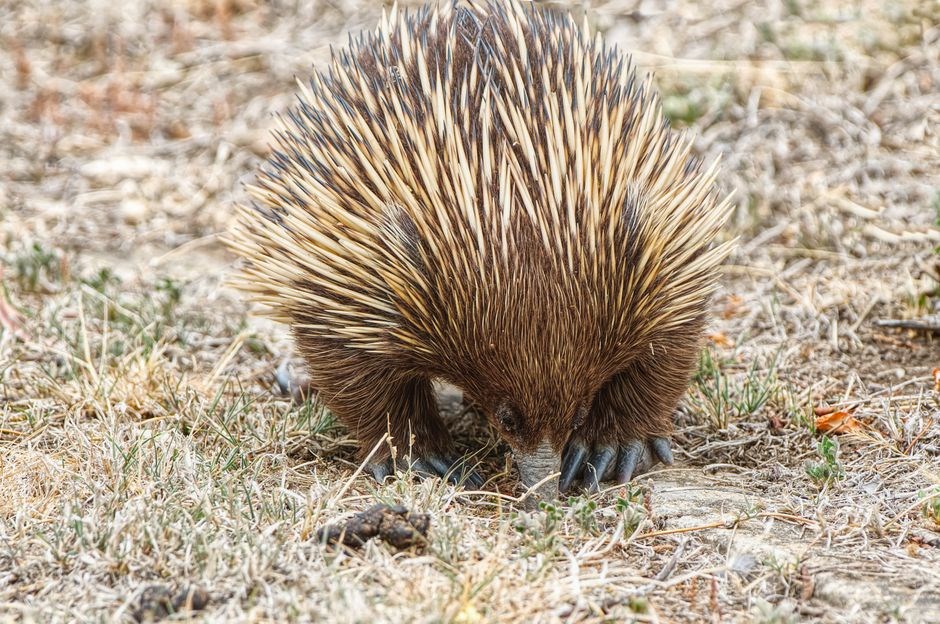
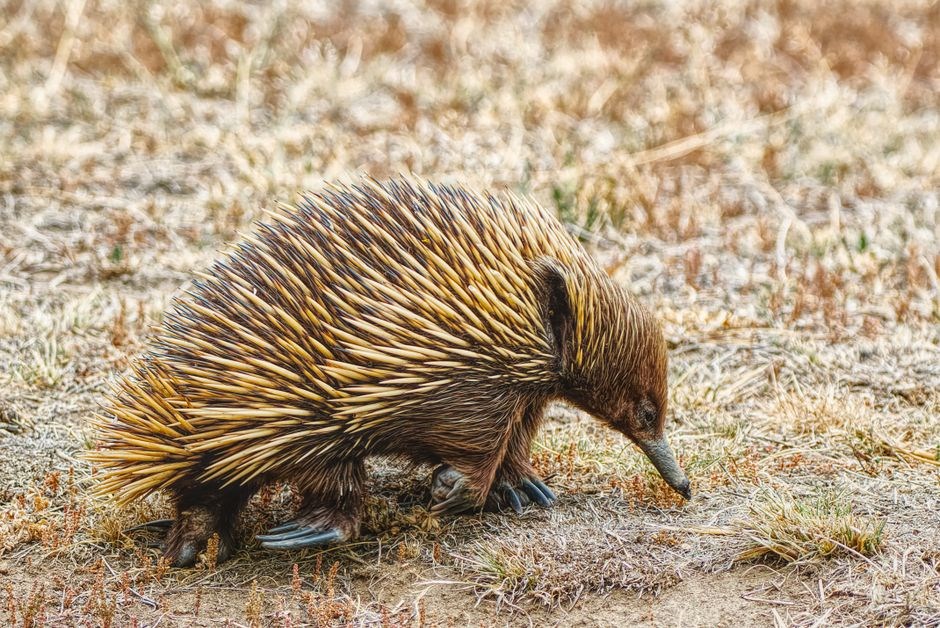
Monotremes like the platypus and echidna occupy aquatic and terrestrial niches. The platypus preys on aquatic invertebrates, while echidnas control ant and termite populations, shaping soil and plant growth. Together, these monotremes contribute to the uniqueness of Australia’s mammalian biodiversity.
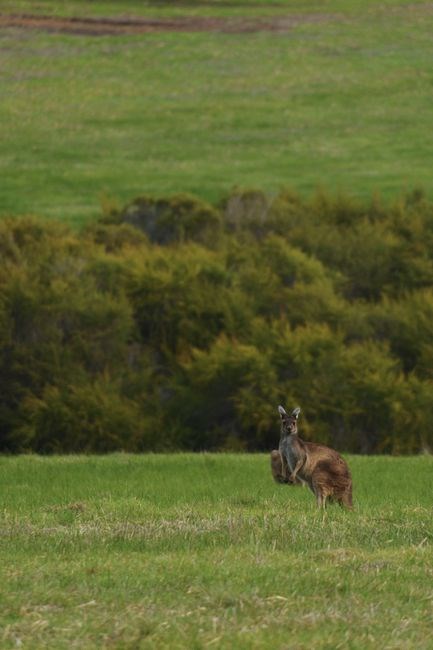
Monotremes
Australia’s only egg‑laying mammals, the platypus and echidna, thrive in diverse habitats. The platypus hunts aquatic invertebrates with electroreception, while the echidna forages for ants and termites, both shaping soil and vegetation dynamics. Their unique reproductive strategies highlight evolutionary divergence.
Platypus and Echidna: Unique Reproductive Traits
Both monotremes break the mammalian mold by laying eggs, yet their reproductive strategies diverge sharply. The platypus (Ornithorhynchus anatinus) is a semi‑aquatic, nocturnal breeder that mates during the wet season. Females possess a single functional ovary and a pair of mammary glands that secrete milk through specialized ducts into a pouch‑like area on the belly. After a 10‑day incubation, the young hatch as blind, hairless, and fully dependent on the mother’s milk, which is rich in fat and protein. The mother’s milk is delivered through a nipple‑like structure that is not a true nipple but a specialized glandular opening. The platypus’s reproductive cycle is tightly linked to water temperature; breeding peaks when streams are warm, ensuring optimal conditions for the vulnerable hatchlings. Echidnas (Tachyglossidae) exhibit a markedly different mode of reproduction. The short‑tailed echidna (Tachyglossus aculeatus) and the long‑tailed species (Zaglossus spp.) lay a single egg, which the female incubates by curling her body around it. The egg hatches after about 10 days, producing a tiny, naked, and highly vulnerable young that is immediately carried on the mother’s back. The young remains on the back for several weeks, feeding on the mother’s milk through a nipple‑like gland. Unlike the platypus, echidnas have a single functional ovary and a single uterus, and they lack a placenta, relying instead on a yolk sac for early nourishment. Both species display a form of lactation that is unique among mammals, with the platypus secreting milk through mammary ducts and the echidna through a nipple‑like gland, underscoring their evolutionary distinctiveness. Additionally, both species exhibit seasonal breeding, with females entering estrus only once a year, and their offspring are born at a remarkably early developmental stage, relying entirely on maternal care. Conservation efforts focus on habitat protection, as both species are sensitive to environmental changes and human encroachment. Research continues to uncover the genetic mechanisms behind their unique reproductive biology, offering insights into mammalian evolution.
Bat Diversity in Australia
Australia hosts 33 bat species across 11 families, ranging from insectivorous microbats to frugivorous megabats. Their echolocation, roosting habits, and ecological roles vary, making them vital pollinators, seed dispersers, and insect controllers. Their night role
Insectivorous and Frugivorous Bat Families
Australia’s chiropteran fauna is dominated by insectivorous microbats, with 28 species in families such as Vespertilionidae, Rhinolophidae, and Miniopteridae. These bats use sophisticated echolocation to hunt nocturnal insects, contributing to pest control across diverse ecosystems. Their roosting sites range from caves and abandoned mines to tree hollows and man‑made structures, reflecting adaptability to fragmented landscapes. The megabat family Pteropodidae, comprising 5 species, relies on fruit, nectar, and pollen, playing a key role in pollination and seed dispersal of native flora. Notably, the black flying fox (Pteropus alecto) and the little red flying fox (Pteropus scapulatus) are integral to the regeneration of eucalyptus and rainforest species. Conservation status varies: while many insectivorous species are listed as Least Concern, habitat loss and climate change threaten roost availability, leading to declines in some isolated populations. Efforts to protect roost sites, mitigate pesticide use, and preserve forest corridors are essential for sustaining bat diversity and the ecological services they provide across Australia’s landscapes.
Rodent Presence
Australia hosts 12 native rodents, such as the dunnart and bettong, and 4 introduced species like the house mouse and black rat. These mammals occupy diverse habitats, influencing seed dispersal and soil turnover. Conservation focuses on controlling invasive rodents. Protecting
Native and Introduced Rodent Species
Australia’s rodent fauna is a blend of endemic marsupial-like rodents and invasive commensals that have reshaped ecosystems. Twelve native species, including the brush‑tailed bettong (Bettongia penicillata), the common dunnart (Sminthopsis macroura), and the swamp rat (Rattus lutreolus), occupy habitats from arid scrub to wetland margins. These small mammals contribute to seed dispersal, soil aeration, and serve as prey for a variety of predators, thereby maintaining ecological balance. In contrast, four introduced species—house mouse (Mus musculus), black rat (Rattus rattus), brown rat (Rattus norvegicus), and the Asian house mouse (Mus musculus castaneus)—have proliferated in urban and agricultural landscapes. Their high reproductive rates and adaptability have led to significant competition with native rodents, predation on native fauna, and transmission of diseases. Management strategies focus on targeted trapping, habitat modification, and public education to mitigate their impact while preserving the unique native rodent community that plays a vital role in Australia’s biodiversity. The dynamic interplay between these groups underscores the importance of ongoing research and conservation efforts to safeguard the continent’s mammalian heritage. Future research will prioritize genetic sequencing of isolated populations, ecological niche modeling, and community‑based monitoring to refine conservation priorities and ensure the resilience of these small mammals amid climate change, habitat fragmentation, and human pressures!
Carnivorous Mammals
Australia’s carnivorous mammals include the quoll, Tasmanian devil, dunnart, and var. feral cats. These predators regulate prey populations, influence vegetation, and maintain ecological balance across div. habitats. Conservation efforts focus on habitat protection and controlling invasive species!?
Quolls, Tasmanian Devils, and Other Predators
Quolls, the small marsupial carnivores of the Australian mainland, exhibit strikingly diverse coloration and nocturnal habits. They hunt insects, reptiles, and small mammals, using keen olfactory and auditory senses to locate prey in dense understory or open grasslands. Their social structure is largely solitary, with brief interactions during mating season. Tasmanian devils, the largest carnivorous marsupial, are apex predators in Tasmania’s temperate forests. Their powerful jaws and scavenging behavior allow them to consume carrion and compete with other predators. Recent population declines due to a transmissible cancer, known as devil facial tumour disease, have spurred intensive conservation programs, including captive breeding and disease‑free population releases. Other Australian predators include the dunnart, a small carnivorous marsupial inhabiting arid regions, and the feral cat, an invasive species that threatens native fauna through predation and competition. Conservation strategies emphasize habitat protection, disease management, and controlling introduced predators to preserve the ecological balance of Australian ecosystems.
These predators face threats from habitat loss, disease, and competition with introduced species. Conservationists employ strategies such as habitat corridors, predator control, and public education to mitigate impacts. The Tasmanian devil’s disease has prompted research into vaccines and genetic rescue, while quoll populations are monitored through camera traps and radio telemetry. Understanding these dynamics is essential for preserving Australia’s unique carnivorous fauna!!
Aquatic and Semi‑aquatic Mammals
Australias water‑dwelling mammals include the water deer, a semi‑aquatic marsupial, the Australian sea lion, a marine predator, and introduced rodents such as the black rat, which thrive in estuaries and wetlands. Conservation focuses on habitat protection now. Marine rodents absentintroduced thrive.
Water Deer, Marine Rodents, and Other Aquatic Mammals
In the coastal and inland waterways of Australia, a handful of mammals have adapted to life in or near water; The water deer (Hydropotes inermis) is a semi‑aquatic marsupial that inhabits riverine forests and mangrove swamps, using its webbed feet and streamlined body to navigate shallow streams. Although not native, the species was introduced to the Murray‑Darling basin in the 1970s and has since established a small, but stable, population that demonstrates the resilience of marsupial physiology in aquatic environments.
Marine rodents are absent from the Australian mainland; however, the introduced black rat (Rattus rattus) has become a ubiquitous presence in estuarine and mangrove habitats, exploiting the abundant food resources and shelter provided by tidal wetlands. These rats exhibit a remarkable tolerance to brackish water, often foraging along riverbanks and occasionally swimming across narrow water gaps to access new feeding sites.
Other aquatic mammals include the Australian sea lion (Neophoca cinerea), a charismatic pinniped that roams the temperate southern coast, feeding on fish, squid, and octopus. The sea lion’s distinctive black dorsal stripe and social colonies along the coast are a key attraction for ecotourism and conservation efforts. Additionally, the Australian fur seal (Arctocephalus pusillus) and the New Zealand fur seal (Arctocephalus forsteri) occasionally visit Australian waters, contributing to the region’s marine biodiversity. These species rely on coastal haul‑outs and offshore feeding grounds, and their populations are monitored to assess the health of marine ecosystems.
Conservation of these aquatic mammals hinges on protecting wetland habitats, mitigating human disturbance, and controlling invasive species that compete for resources. Ongoing research into their migratory patterns, breeding habits, and dietary preferences informs management strategies aimed at preserving Australia’s unique aquatic mammalian heritage for future generations.
Research initiatives employ satellite telemetry and acoustic monitoring to track movement patterns of water deer and sea lions, revealing seasonal migrations linked to rainfall and prey availability. These data help refine protected area boundaries and inform adaptive management plans that balance human use with wildlife conservation.
Public engagement through citizen science projects further enhances data collection and raises awareness of aquatic mammal conservation.