
Ordination Questions and Answers: A Comprehensive Guide
Navigating the ordination process often involves detailed questioning; readily available PDF resources offer sample questions, aiding candidates in preparation and self-assessment for theological depth․
I․ Understanding Ordination
Ordination represents a formal recognition of an individual’s calling to ministry, a sacred process varying significantly across denominations․ Preparation often centers around demonstrating theological understanding and a mature faith, frequently assessed through rigorous questioning․ Many candidates seek resources like ordination questions and answers PDFs to familiarize themselves with potential inquiries․
These PDFs serve as valuable study aids, offering insight into expected areas of knowledge – from biblical interpretation to pastoral care․ Understanding the purpose of these questions is crucial; they aren’t merely tests, but opportunities to articulate one’s beliefs and ministry philosophy․ Successfully navigating this process requires diligent study, honest self-reflection, and a clear vision for future service․
PDF resources compiling common ordination questions are invaluable for candidates, offering practice and insight into expected theological and practical assessments for ministry․
Ordination represents a formal recognition of a person’s calling to ministry, a sacred process varying significantly across denominations․ Preparation often centers around demonstrating theological understanding and practical readiness․
PDF documents containing sample ordination questions serve as crucial preparation tools, allowing candidates to assess their knowledge and articulate their beliefs effectively․ These resources highlight the depth expected in doctrinal understanding, personal faith journeys, and ministry philosophies․
Understanding the purpose of these questions – not merely to test, but to discern genuine calling and preparedness – is vital․ Accessing and studying these PDFs empowers candidates to approach the process with confidence and clarity․
A․ What is Ordination?
Ordination is the formal process by which a religious organization recognizes an individual as qualified to lead and serve within a specific ministry role․ It’s a public affirmation of God’s calling and the candidate’s gifting․
PDF resources containing typical ordination questions are invaluable for understanding the scope of inquiry․ These documents reveal the areas of assessment – doctrinal beliefs, personal experiences, and ministerial vision․
Preparing with these PDFs allows candidates to thoughtfully consider their responses, demonstrating a mature and well-articulated faith․ It’s a crucial step in discerning readiness for ordained ministry and public service․
B․ Denominational Differences in Ordination
Ordination practices vary significantly across denominations, reflecting unique theological emphases and governance structures․ Consequently, the specific questions asked during the ordination process differ considerably․
PDFs showcasing sample questions from various denominations highlight these distinctions․ Some traditions prioritize detailed doctrinal examinations, while others focus more on practical ministry experience and leadership potential․
Candidates should seek out PDF resources specific to their denomination to prepare effectively․ Understanding these nuances demonstrates respect for denominational identity and ensures a focused, relevant preparation process․
C․ The Purpose of Ordination Questions
Ordination questions aren’t merely interrogations; they serve a crucial formative purpose․ They assess a candidate’s understanding of theology, their personal faith journey, and their suitability for ministry leadership․
PDFs containing example questions reveal a pattern of probing inquiry designed to discern genuine calling and preparedness․ These questions encourage self-reflection and articulate beliefs clearly․
The process aims to ensure candidates are equipped to faithfully and effectively serve the church․ Utilizing PDF resources aids in anticipating these inquiries, fostering thoughtful responses, and demonstrating readiness for ordained ministry․
II․ Common Ordination Question Categories
Ordination inquiries typically fall into distinct categories, often detailed within comprehensive PDF guides․ These broadly encompass doctrinal beliefs, probing core theological understandings and scriptural interpretation skills․
Personal faith journeys are explored, including conversion experiences and consistent spiritual disciplines․ Ministry philosophy and practice are also central, assessing a candidate’s vision and leadership style․
PDF resources categorize questions, allowing candidates to focus preparation․ Mastering these areas—doctrine, personal faith, and ministry approach—demonstrates readiness for ordained service and thoughtful engagement with church leadership․
A․ Doctrinal Beliefs
Doctrinal questions, frequently found in ordination PDF guides, assess a candidate’s adherence to core theological tenets․ Expect inquiries into fundamental doctrines like the Trinity, atonement, and the nature of scripture․
These questions aren’t merely about reciting creeds; they explore nuanced understanding and the ability to articulate beliefs clearly․ Scriptural interpretation is key, testing how candidates approach challenging passages and apply biblical principles․
PDF resources often provide sample questions, helping candidates prepare thoughtful responses demonstrating a robust and informed theological foundation essential for effective ministry leadership․
Core Theological Doctrines
Ordination PDFs consistently emphasize core doctrines: God’s character, the person of Christ, the Holy Spirit’s work, and humanity’s fallen state․ Questions probe understanding of salvation – justification, sanctification, and glorification – and their biblical basis․
Expect inquiries regarding the authority of scripture, its inerrancy, and proper hermeneutical principles; Eschatological beliefs, including the second coming and eternal judgment, are also frequently addressed․
These PDFs serve as preparation tools, highlighting the importance of a well-defined theological framework․ Candidates must demonstrate not just knowledge, but a conviction rooted in scripture and tradition․
Scriptural Interpretation
Ordination question PDFs frequently assess a candidate’s approach to biblical interpretation․ Expect questions on hermeneutical principles – historical-grammatical, literary context, and theological coherence․ Understanding different genres (narrative, poetry, prophecy) is crucial․
These resources often present passages for interpretation, testing the ability to discern authorial intent and apply the text responsibly․ Candidates should articulate a method avoiding eisegesis (reading into the text) and favoring exegesis (drawing meaning from the text)․
Demonstrating awareness of diverse interpretations and the ability to respectfully engage with differing viewpoints is also vital for successful ordination․
B․ Personal Faith Journey
Ordination question PDFs delve deeply into the candidate’s personal relationship with God․ Expect inquiries about your conversion experience – the circumstances, the impact, and the ongoing development of your faith․
These resources assess the authenticity and maturity of your spiritual life, probing your consistent spiritual disciplines like prayer, Bible study, and fellowship․
Honest reflection on times of doubt, struggle, and growth is essential․ Demonstrating a genuine, evolving faith, rooted in personal experience, is key to a positive evaluation․
Conversion Experience
PDFs containing ordination questions frequently dedicate significant space to understanding your conversion experience․ Expect detailed inquiries about the specific moment or period when you embraced faith․
Assessors seek to understand the nature of your initial encounter with God – was it a sudden revelation or a gradual awakening? They’ll want to know what prompted your search and what specifically drew you to Christ․
Be prepared to articulate the transformative impact of this experience on your life, values, and worldview․ Honesty and vulnerability are crucial in conveying the authenticity of your faith journey․
Spiritual Disciplines
Ordination question PDFs consistently probe the depth of your spiritual life through inquiries about practiced disciplines․ Expect questions regarding prayer – its frequency, form, and impact on your relationship with God․
Assessors will likely ask about your engagement with Scripture, including methods of study, devotional reading, and memorization․ Honesty about struggles with consistency is valued alongside demonstrated commitment․
Beyond prayer and Scripture, be prepared to discuss other disciplines like fasting, solitude, service, and worship․ Articulating how these practices nurture your spiritual growth is essential for demonstrating readiness for ministry․
C․ Ministry Philosophy & Practice
Ordination PDFs frequently assess your practical approach to ministry, moving beyond theological understanding․ Questions explore your vision for ministry – its core values, target audience, and anticipated impact within the community․
Expect inquiries into your leadership style: are you collaborative, authoritative, or servant-led? How do you handle differing opinions and build consensus within a team?
Furthermore, preparation materials often include scenarios testing your approach to practical challenges, such as conflict resolution, pastoral care dilemmas, and ethical considerations․
Vision for Ministry
Ordination question PDFs consistently probe your overarching vision for ministry, seeking clarity and passion․ Expect questions detailing your specific calling and how you perceive God leading you to serve․

Assessors want to understand your long-term goals: what impact do you hope to make within your church and the wider community? How does your vision align with the denomination’s core values?
Preparation should involve articulating a concise, compelling statement of your ministry philosophy, demonstrating both theological grounding and practical application․
Leadership Style
Ordination PDFs frequently address leadership style, moving beyond simply what you believe to how you lead․ Expect inquiries into your approach to team building, delegation, and conflict resolution․
Assessors seek to understand if your style is collaborative, authoritative, or servant-based, and how it aligns with your theological convictions․ They’ll want examples of past leadership experiences, both successes and failures․
Reflect on your strengths and weaknesses as a leader, and demonstrate self-awareness․ Articulating a clear understanding of your leadership philosophy is crucial for a successful response․
III․ Specific Ordination Questions (Examples)
Numerous ordination question PDFs compile examples covering biblical knowledge, pastoral care, and church leadership․ These resources showcase the breadth of inquiry․
Expect questions demanding interpretation of key passages, demonstrating theological understanding, and applying scripture to contemporary issues․ Pastoral care questions assess counseling approaches and conflict resolution skills․
Leadership inquiries explore team building, delegation, and financial management․ PDFs often include scenarios requiring practical application of theological principles․
Utilizing these PDFs for practice is invaluable, allowing candidates to refine their responses and anticipate potential questions during the ordination process․
A․ Questions Regarding Biblical Knowledge
Ordination question PDFs heavily emphasize biblical literacy, probing candidates’ understanding of core doctrines and scriptural interpretation․ Expect detailed inquiries into both Old and New Testament narratives․
Questions frequently request interpretation of key passages, demanding nuanced explanations of context, original language nuances, and theological implications․ Candidates should demonstrate a grasp of biblical theology, tracing themes across scripture․
PDFs often present hypothetical scenarios requiring application of biblical principles to ethical dilemmas or pastoral situations․
Preparation involves thorough study and the ability to articulate a coherent biblical worldview․
Interpretation of Key Passages
Ordination PDFs consistently feature questions demanding detailed interpretation of pivotal biblical texts․ Candidates must demonstrate proficiency in hermeneutical principles, explaining historical context and authorial intent․
Expect inquiries regarding passages central to core doctrines – such as the atonement, justification, or the nature of the Trinity․
The ability to articulate multiple valid interpretations, while defending a primary understanding, is crucial․
PDF resources often include challenging passages requiring careful exegesis and application to contemporary issues․
Strong preparation necessitates familiarity with various interpretive frameworks and a commitment to responsible biblical scholarship․
Understanding of Biblical Theology
Ordination question PDFs frequently assess a candidate’s grasp of biblical theology – the overarching narrative and themes woven throughout Scripture․
Expect questions exploring how Old Testament prophecies find fulfillment in the New Testament, and how different biblical authors contribute to a unified message․
Demonstrating an understanding of covenants, redemptive history, and the kingdom of God is vital․
PDF resources often present scenarios requiring candidates to synthesize theological concepts and apply them to practical ministry contexts․
A holistic understanding, connecting individual passages to the broader biblical storyline, is highly valued during the ordination process․
B; Questions About Pastoral Care
Ordination question PDFs dedicate significant sections to pastoral care, evaluating a candidate’s readiness to support and guide individuals through life’s challenges․
Expect inquiries regarding approaches to counseling, grief support, and premarital guidance, demonstrating sensitivity and biblical wisdom․
These PDFs often present ethical dilemmas, testing a candidate’s ability to navigate complex situations with integrity and compassion․
Questions frequently address conflict resolution within the church and the importance of maintaining healthy boundaries․
A demonstrated understanding of referral processes for specialized care is also crucial, showcasing responsible pastoral practice․
Counseling Approaches
Ordination question PDFs thoroughly assess a candidate’s understanding of various counseling methodologies, seeking a biblically-informed and practical approach․
Expect questions exploring integration of faith with psychological principles, demonstrating awareness of both strengths and limitations․
These resources often probe knowledge of specific techniques like active listening, empathetic responding, and crisis intervention strategies․
Candidates should articulate their preferred counseling style and its theological underpinnings, showcasing a coherent framework․
PDFs may present case studies, requiring applicants to analyze situations and propose appropriate interventions, reflecting sound judgment․
Handling Conflict
Ordination question PDFs frequently assess a candidate’s ability to navigate interpersonal and communal disputes with grace and wisdom, crucial for pastoral leadership․
Expect inquiries regarding biblical principles for conflict resolution, such as Matthew 18 and Philippians 2, demonstrating theological grounding․
These resources often explore practical skills like mediation, active listening, and de-escalation techniques, vital for pastoral care․
Candidates should articulate a philosophy of conflict resolution rooted in forgiveness, reconciliation, and restorative justice․
PDFs may present hypothetical scenarios, requiring applicants to outline a strategic response, showcasing emotional intelligence and discernment․
C․ Questions on Church Leadership
Ordination question PDFs commonly delve into a candidate’s understanding of effective church governance and collaborative ministry, essential for pastoral roles․
Expect questions assessing your vision for team building, delegation of responsibilities, and fostering a healthy church culture․
Financial stewardship is often addressed, probing your understanding of budgeting, accountability, and ethical fundraising practices within a church context․
These resources may explore your approach to leading volunteers, navigating differing opinions, and implementing strategic initiatives․
PDFs often present scenarios requiring you to demonstrate leadership skills, conflict resolution, and a commitment to servant leadership principles․
Team Building & Delegation
Ordination question PDFs frequently assess a candidate’s capacity to build cohesive and effective ministry teams, a cornerstone of successful church leadership․
Expect inquiries regarding your strategies for identifying and nurturing the gifts of others, fostering collaboration, and creating a supportive environment․
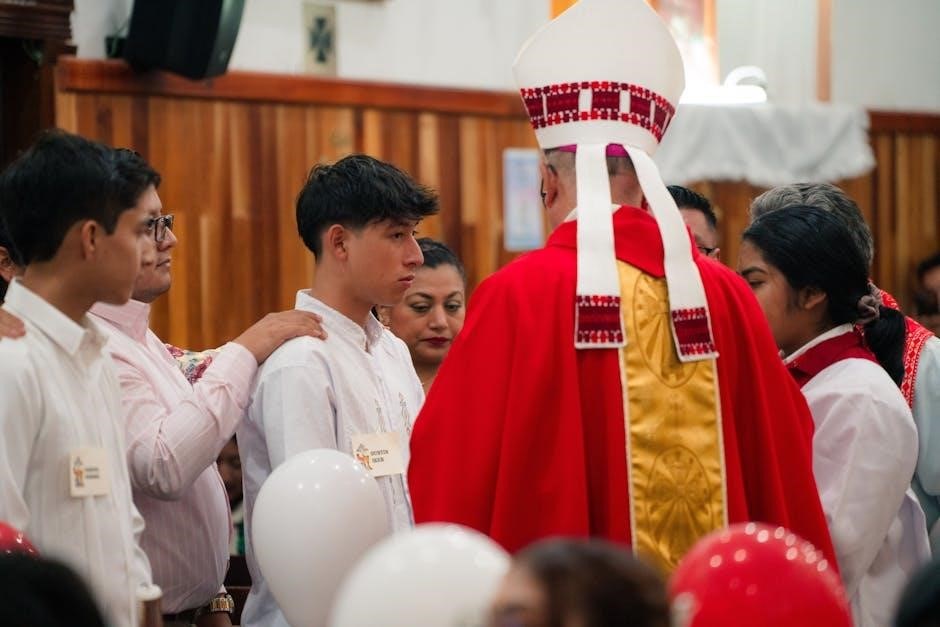
Delegation is a key focus; PDFs often present scenarios requiring you to articulate how you’d entrust responsibilities, provide appropriate support, and offer constructive feedback․
Questions may explore your understanding of team dynamics, conflict resolution within groups, and the importance of shared vision and accountability․
Preparation should include reflecting on your past experiences leading teams and demonstrating a commitment to empowering others for ministry․
Financial Management
Ordination preparation PDFs consistently include questions evaluating a candidate’s understanding of church financial stewardship and responsible resource allocation․
Expect scenarios testing your knowledge of budgeting processes, financial transparency, and legal compliance related to non-profit organizations․
Questions may address ethical considerations in fundraising, handling donations, and managing church assets with integrity․
PDF resources often probe your ability to work with financial committees, interpret financial statements, and ensure accountability to the congregation․
Demonstrate a commitment to responsible financial practices and a clear understanding of the church’s financial obligations through thoughtful responses․
IV․ Preparing for Ordination Questions
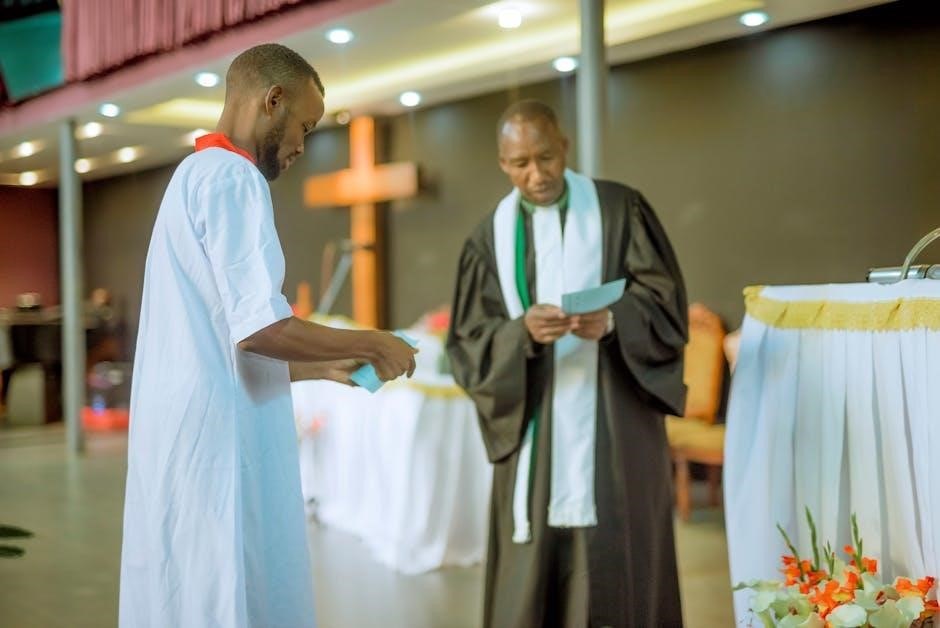
Utilizing ordination question PDFs is a crucial step in preparation, offering insight into expected areas of inquiry and allowing for focused study․
These resources facilitate self-assessment, identifying knowledge gaps in theology, scripture, and pastoral practice․
Practice answering questions aloud, articulating your beliefs clearly and concisely, mirroring the examination environment․
Supplement PDF study with broader theological texts and personal reflection on your faith journey and ministry calling․
Engage in mock interviews with mentors or peers to refine your responses and build confidence for the actual ordination process․
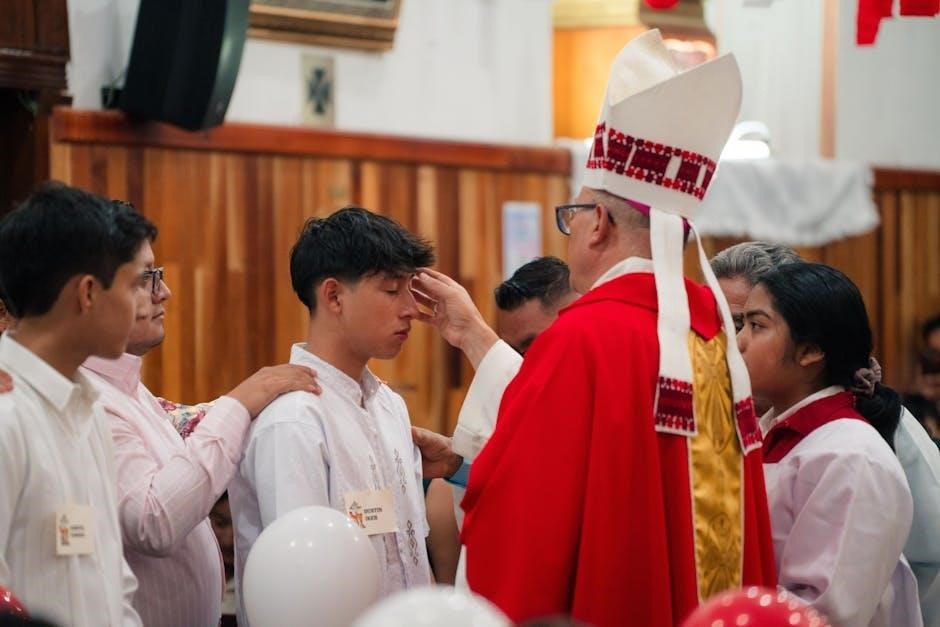
A․ Studying Key Theological Texts
Leveraging ordination question PDFs reveals recurring themes demanding robust theological understanding․
Focus on core doctrines – systematic theology, biblical theology, and historical theology – as frequently assessed․
Deepen knowledge of scripture, particularly passages central to your denomination’s beliefs and practices․
Utilize commentaries and scholarly articles to explore diverse interpretations and strengthen your own informed perspective․
PDFs often hint at preferred theological frameworks; align your study accordingly, demonstrating familiarity with relevant thinkers and traditions․
B․ Reflecting on Personal Experiences
Ordination PDFs frequently probe your faith journey, demanding honest self-assessment․
Carefully consider your conversion experience, articulating its impact on your life and calling․
Reflect on pivotal moments of spiritual growth, challenges overcome, and lessons learned․
Analyze how your experiences have shaped your understanding of ministry and your approach to pastoral care․

Be prepared to discuss your spiritual disciplines and how they sustain your faith and leadership․
Authenticity is key; demonstrate genuine introspection and a clear sense of God’s leading in your life․
C․ Practicing Articulating Beliefs
Many ordination question PDFs emphasize clear theological articulation․
Practice concisely explaining core doctrines – justification, sanctification, the Trinity – in accessible language․
Rehearse responses to common questions about biblical interpretation, demonstrating a nuanced understanding of scripture․
Engage in mock interviews with mentors or peers, receiving constructive feedback on your clarity and conviction․
Focus on communicating your beliefs with both intellectual rigor and heartfelt passion․
The ability to articulate your faith persuasively is crucial for effective ministry and confident leadership․
V․ Resources for Ordination Candidates
Numerous online resources, including downloadable PDF question banks, assist in preparation․
Denominational websites often provide specific guides and sample questions tailored to their theological framework․
Seminary libraries and online databases offer extensive collections of theological texts for in-depth study․
Seek mentorship from experienced pastors or professors who can offer guidance and support throughout the process․
Utilize AI tools like Ollama for theological research, but critically evaluate the information received․
Remember to prioritize resources aligned with your denomination’s beliefs and ordination standards․

A․ Recommended Reading Lists
Comprehensive preparation necessitates a robust reading list, supplementing PDF question reviews․
Explore classic theological works by authors like Aquinas, Calvin, and Luther for foundational understanding․
Study biblical commentaries to deepen your interpretation of key scriptures frequently addressed in ordination․
Investigate pastoral theology resources focusing on counseling, leadership, and church administration․
Consider contemporary theological discussions to demonstrate awareness of current issues and debates․
Utilize resources that aid in understanding diverse perspectives within your denomination and beyond․
B․ Mentorship Opportunities
Supplementing PDF practice with experienced guidance is invaluable for ordination candidates․
Seek mentorship from seasoned pastors or theological educators within your denomination․
A mentor can provide personalized feedback on your responses to potential ordination questions․

They offer insights into navigating the nuances of denominational expectations and procedures․
Mentors can help you articulate your theological convictions with clarity and confidence․
Regular meetings allow for discussion of challenging topics and refining your ministry philosophy․
C․ Online Ordination Question Banks (PDFs)
Numerous online resources offer downloadable PDF documents containing sample ordination questions․

These question banks provide a broad overview of topics commonly addressed during the ordination process․
Utilize these PDFs for self-assessment, identifying areas where further study or reflection is needed․
Remember that question banks are tools for preparation, not definitive predictors of the actual questions․
Focus on understanding the underlying theological principles rather than memorizing answers․
Supplement PDF practice with mentorship and theological research for a comprehensive approach․
VI․ Recent Developments in AI and Ordination Preparation (as of 04/21/2026)
AI tools like Ollama are emerging as valuable resources for ordination candidates, particularly in theological research and practice question generation․
Ollama allows local execution of large language models, enabling offline access to vast knowledge bases for studying key doctrines․
Candidates can leverage AI to create personalized practice question sets, simulating the ordination interview experience․
However, ethical considerations are paramount; AI should supplement, not replace, personal reflection and mentorship․
PDFs of sample questions remain useful, but AI offers dynamic, adaptable preparation methods․
Responsible AI integration enhances, rather than diminishes, the integrity of the ordination process․
A․ Utilizing Tools like Ollama for Theological Research
Ollama’s capability to run large language models locally presents a novel approach to theological study for ordination candidates․
Instead of relying solely on traditional texts and PDFs of sample questions, candidates can now engage in interactive theological exploration․
Ollama facilitates rapid access to information on diverse theological perspectives, aiding in formulating well-informed responses․
It allows for nuanced questioning of complex doctrines, enhancing understanding beyond surface-level knowledge․
Furthermore, candidates can utilize Ollama to analyze biblical passages and historical contexts, strengthening their interpretive skills․
This tool empowers a deeper, more personalized preparation process, complementing existing resources like ordination question banks․
B․ AI-Assisted Practice Question Generation
Leveraging AI, specifically tools like those compatible with Ollama, dramatically expands the scope of ordination preparation beyond static PDF question sets․
AI can dynamically generate practice questions tailored to specific denominations, theological frameworks, or areas of weakness identified by the candidate․
This adaptive learning approach ensures focused practice, maximizing efficiency and addressing individual needs more effectively than pre-defined lists․
Furthermore, AI can simulate the conversational nature of an ordination interview, providing realistic practice scenarios․
The system can even offer feedback on responses, highlighting areas for improvement in clarity, theological accuracy, and articulation․
This personalized, AI-driven practice complements traditional study methods, enhancing confidence and preparedness․
C․ Ethical Considerations of AI in Ordination
While AI tools like Ollama offer powerful assistance in ordination preparation, ethical considerations are paramount․
Over-reliance on AI-generated practice questions, or accepting AI’s assessment as definitive, could hinder genuine theological reflection and personal conviction․

The authenticity of a candidate’s beliefs must remain central; AI should supplement, not supplant, internal spiritual discernment․
Concerns regarding bias in AI algorithms also exist, potentially skewing question generation or evaluation towards specific theological perspectives․
Transparency regarding AI usage during preparation is crucial, ensuring the ordination committee understands the candidate’s process․
Ultimately, AI serves as a tool, and responsible implementation requires careful consideration of its limitations and potential impacts․